
How to Install a Metal Roof in Wisconsin: A Step-by-Step Guide
Updated: Dec 15, 2025
Are you considering a new roof for your Wisconsin home? A metal roof could be the ideal choice, offering durability, energy efficiency, and low maintenance costs. In this comprehensive guide on how to install a metal roof in Wisconsin, we'll walk you through the steps to choosing the right metal roofing material, selecting a qualified contractor, and ensuring a smooth installation process. Let's get started!
Short Summary
Choose the right metal roofing material for Wisconsin based on climate, strength, and durability.
Select a qualified contractor with experience and verify license & insurance before installation.
Maintain your new metal roof through regular inspections, cleaning & addressing minor damage.
Choosing the Right Metal Roofing Material for Wisconsin
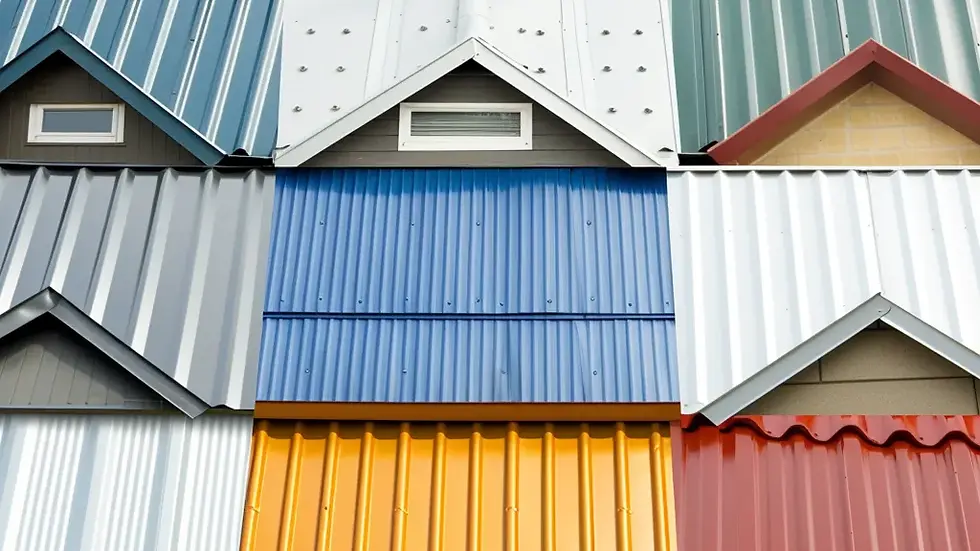
Selecting the appropriate metal roofing material for your Wisconsin home is crucial. The region's climate demands a roofing material that can withstand the elements and provide lasting durability.
Let's explore the three main types of metal roofing materials - steel, aluminum, and copper - and their benefits for Wisconsin homes.
Steel Roofing
Steel roofing is a popular choice for its strength and resistance to fire, wind, snow, and hail. One option for steel roofing is standing seam, which offers a clean, modern appearance with no exposed screws on the roof's surface.
Another option is hidden fastener roofing, which provides an aesthetically pleasing look but can be more costly. Regardless of the style, steel roofing is highly durable and long-lasting, making it an ideal choice for Wisconsin homeowners.
Aluminum Roofing
Aluminum roofing is another option for those seeking a lightweight and corrosion-resistant material. This type of roofing is known for its durability, energy efficiency, and longevity. Metal roofs can last up to 50 years with proper maintenance.
However, the initial cost of aluminum roofing can be higher than that of other metal roofing materials. It may also be more susceptible to dents and scratches. Despite these drawbacks, aluminum roofing is a strong contender for homeowners in Wisconsin looking for a long-lasting and energy-efficient roofing solution.
Copper Roofing
Copper roofing is a premium material offering high durability, weather resistance, and an estimated 50-year lifespan with proper upkeep. In addition to its impressive performance characteristics, copper roofing is energy efficient, eco-friendly, and may increase the resale value of your property.
While copper roofing may come with a higher initial cost, its longevity, performance, and aesthetic appeal make it a worthwhile investment for Wisconsin homeowners seeking a unique and durable roofing solution.

Selecting a Qualified Metal Roofing Contractor
Now that you've decided on the right metal roofing material for your Wisconsin home, it's time to find a qualified contractor to carry out the installation. Choosing a reliable and experienced contractor is essential for a successful metal roof installation, as it ensures the longevity and performance of your new roof.
Let's explore the steps to selecting the right contractor for your project.
Research and Recommendations
Before hiring a metal roofing contractor, it's important to conduct thorough research on their reputation, experience with metal roofing, licensing, insurance, and certification. Start by asking friends and family for recommendations on reliable contractors they've worked with in the past. Spend some time reviewing the websites and online reviews of potential candidates to gain insight into their work quality and customer satisfaction.
Once you've created a shortlist of potential contractors, request references from their previous clients and assess their expertise in metal roofing. Be sure to ask the references about the type of work completed, the contractor's communication and professionalism, and their overall satisfaction with the project. This information will help you make an informed decision when selecting the right contractor for your metal roof installation.
Verify License and Insurance
In Wisconsin, metal roofing contractors may not require a specific state-level license, but they should possess the Dwelling Contractor Certification and Dwelling Contractor Qualifier Certification if performing general construction work on one- or two-family homes that require building permits. It's essential to confirm the contractor's license and insurance before hiring them, as this ensures they are qualified and offers you financial protection in case of accidents or damage during the project.
A reputable metal roofing contractor should have general liability insurance, workers' compensation insurance, and property damage insurance. Don't hesitate to ask for proof of insurance and license before signing any contracts, as this protects you from potential liabilities and ensures the contractor is operating legally.
Check Experience and References
Evaluating a contractor's experience is crucial for a successful metal roof installation. A skilled contractor should have several years of experience in metal roofing installation and repair. You can verify their license and insurance by contacting the Wisconsin Department of Safety and Professional Services.
When obtaining references, request the contractor's contact information, the type of work they completed, and the customer's overall experience. This information will give you a better understanding of the contractor's expertise and help you make an informed decision when selecting the right professional for your metal roof installation.

Preparing Your Home for Installation
Before your metal roof installation can begin, it's important to prepare your home and existing roof. Proper preparation ensures a smooth and successful installation process, ultimately leading to a durable and long-lasting metal roof.
Let's explore the necessary steps to prepare your home for the installation of your new metal roof.
Removing Old Roofing Materials
While it is possible to install a metal roof over an existing layer of asphalt shingles, it's generally recommended to remove all existing roofing materials and expose the roof deck before installing a new metal roof. This helps prevent the existing roof from damaging or interfering with the performance of the new roof.
To remove old roofing materials, begin at the top of the roof and work downward in 2-3 foot increments. Use a roofing tear-off tool or prybar to lift and pry the shingles. Remove any roofing jacks and carefully dispose of the final rows of shingles by tossing them in a designated dumpster.
Lastly, remove any existing nails from the roof's decking to ensure a clean and leveled surface for your new metal roof.

Waterproof Underlayment
After removing the old roofing materials, it's essential to install a waterproof underlayment on the roof deck. This underlayment provides thermal protection and prevents water from penetrating the roof deck, ensuring the longevity and performance of your metal roof.
There are several types of waterproof underlayment recommended for metal roof systems, such as 30# felt underlayment and synthetic underlayment. Follow the manufacturer's instructions for installing the underlayment, ensuring it is properly secured to the roof deck with nails or staples.
Site Preparation
Before installing the metal roof panels, it's important to clear the roof area of any debris, vegetation, or obstructions. Inspect the roof for any damage and repair it before installing the metal roof to ensure a strong and stable foundation for your new roofing system.
Proper placement of moisture barriers, drip edges, and closure strips is essential to a successful metal roof installation. Follow the manufacturer's instructions for placing and securing these components, ensuring a watertight and durable metal roof that will withstand the elements for years to come.
Metal Roof Installation Process
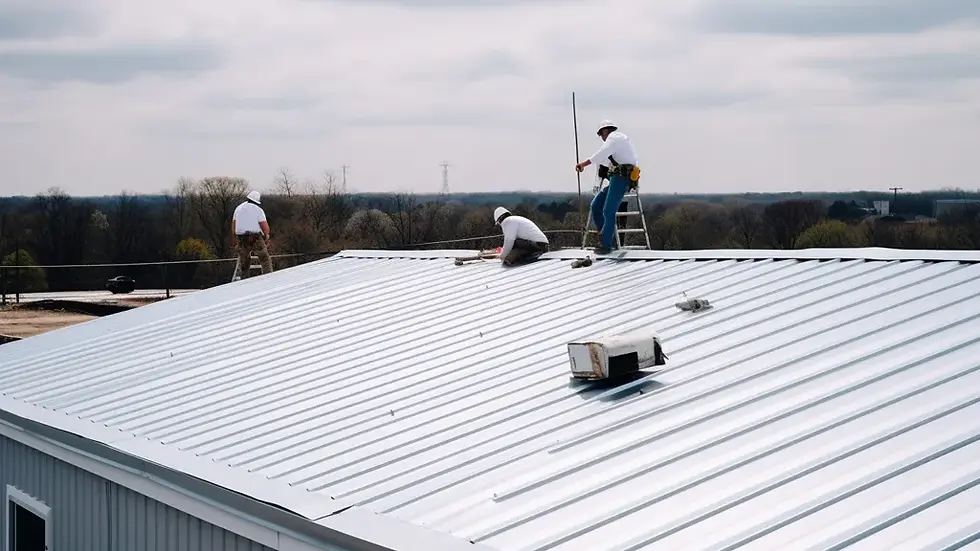
With your home properly prepared and a qualified contractor selected, it's time to delve into the metal roof installation process. The installation steps can vary slightly depending on the type of metal roofing material chosen, but the overall process remains similar.
Let's take a closer look at the steps involved in installing a metal roof on your Wisconsin home.
Installing Underlayment
The first step in the metal roof installation process is to install the underlayment on your roof deck. As mentioned earlier, this waterproof layer provides thermal protection and prevents water infiltration into the roof deck.
When installing the underlayment, ensure a recommended overhang of 1.5 inches at the roof rake edge. Spread the underlayment evenly across the roof deck, taking care not to roll it too tightly or stretch it. Secure the underlayment to the roof deck with nails or staples, following the manufacturer's instructions.
Panel Installation
Next, it's time to install the metal roofing panels. Measure and position the metal panels on the roof, ensuring they are properly aligned and secure. Fasten the panels to the roof deck with self-drilling screws or roofing nails, following the manufacturer's instructions for proper spacing and placement.
Panel installation is a crucial step in the metal roof installation process, as it ensures the longevity and performance of your new roof. Take your time and double-check measurements and alignments to make sure your metal roof is installed correctly and securely.
Sealing and Flashing
The final step in the metal roof installation process is sealing and flashing the roof. This is an essential step, as it ensures a watertight seal and prevents water from infiltrating the roof deck.
To apply tape sealant along the top edge of the panels, use a tape sealant and press it firmly into place. Fix the outside closure to the tape, ensuring proper alignment.
Install flashing around the edges of the roof and finish the roof with an underlayment such as felt, synthetic sheet, or self-adhering membrane, following the manufacturer's instructions for proper installation.

Maintenance and Care of Your New Metal Roof
Once your new metal roof is installed, it's essential to maintain and care for it to ensure its longevity and performance. Regular inspections, cleaning, and addressing minor damage are all crucial steps in keeping your metal roof in optimal condition.
Let's explore these maintenance steps in more detail.
Regular Inspections
Conducting regular inspections of your metal roof is essential to identify and address any potential damage or deterioration. Look for leaks, tears, gouges, punctures, rust, discoloration, loose nails, lifted fasteners, and signs of corrosion.
During the inspection, also assess the flashing, penetrations, and gutters for potential issues. Catching and addressing these problems early can help prevent more significant damage and prolong the lifespan of your metal roof.
Cleaning and Debris Removal
Keeping your metal roof clean is a crucial aspect of its maintenance. A low-pressure wash from a garden hose can clear away most dirt and debris accumulation. For persistent stains, use a mild detergent such as laundry soap. Mold or algae can be treated with a laundry bleach solution diluted with plenty of water.
When cleaning your metal roof, avoid using abrasive materials such as steel wool or wire brushes, as these can scratch the surface and lead to corrosion. Regular cleaning and debris removal help maintain your metal roof's appearance and performance.
Repairing Minor Damage
Addressing minor damage to your metal roof is essential to ensure its longevity and performance. During inspections, look for signs of damage such as cracks, dents, or missing shingles. Depending on the nature of the damage, suitable repair methods may include patching, caulking, or replacing the damaged material.
When repairing minor damage, it's crucial to follow the manufacturer's instructions for the appropriate repair method. Promptly addressing minor damage can help prevent more significant issues and prolong the life of your metal roof.
Summary
In conclusion, the installation of a metal roof in Wisconsin can provide lasting durability, energy efficiency, and low maintenance for homeowners. By choosing the right metal roofing material, selecting a qualified contractor, and properly preparing your home for installation, you can ensure the success of your metal roof project. Remember to maintain and care for your new metal roof through regular inspections, cleaning, and addressing minor damage. With proper care and maintenance, your metal roof will protect your home for years to come.
Frequently Asked Questions
Can I install a metal roof myself?
Although it is possible to install a metal roof yourself, there are risks involved. It requires advanced DIY skills and potentially specialized equipment. To ensure the job is done properly, we recommend enlisting the help of an experienced professional.
How to install a metal roof step by step?
Installing a metal roof requires precise measurements and careful preparation, but with the right tools, it can be done in a few steps. Firstly, measure and purchase the appropriate materials for the metal roofing project.
Next, remove existing roofing and make necessary repairs. Thirdly, install the drip edge, then metal panels or shingles. Finally, secure the ridge caps and gutters to complete the installation.
What goes underneath a metal roof?
When installing a metal roof, the most common type of underlayment is non-perforated, asphalt-impregnated felt. Other types of underlayment include self-adhering membranes and synthetic sheets, which protect the roof deck or sheathing from wind, moisture, and other elements.
Do you need plywood under a metal roof?
Yes, plywood should be installed under metal roofing for maximum protection and durability. This added layer will provide extra insulation and support, allowing the roof to withstand various environmental conditions. By investing in quality underlayment, you can ensure your metal roof lasts for years to come.


Comments